E-mobility
Sri Lanka Opens Its First National Centre for Testing Modern Batteries First National Battery Testing Centre Opens
A Rs 161.5 million laboratory at the National Engineering Research and Development Centre will test the performance and safety of batteries and electric-vehicle chargers, as electric cars and home solar storage spread across the country.

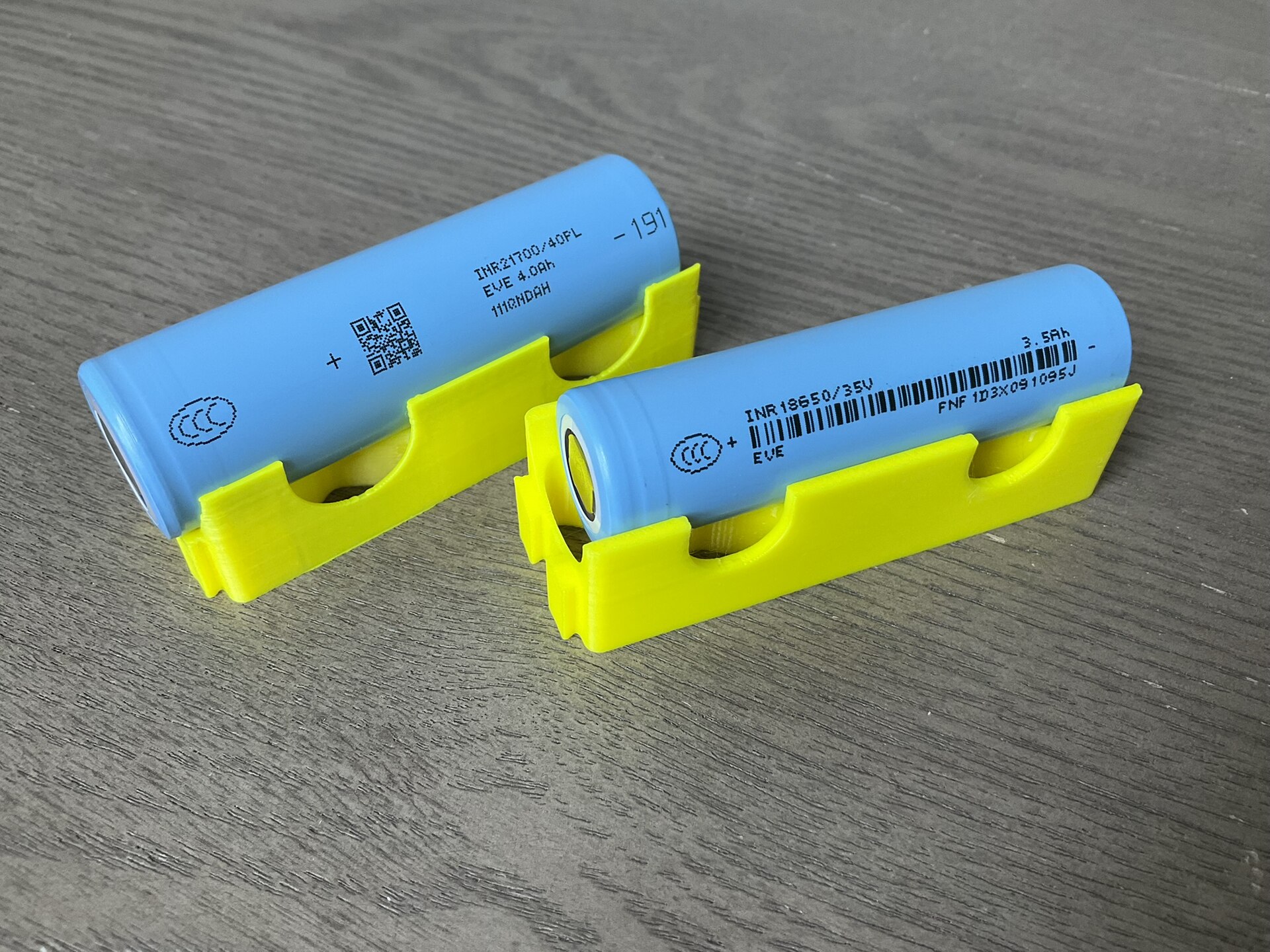
Sri Lanka has opened its first comprehensive national laboratory for testing modern batteries, giving local manufacturers, importers and researchers a place at home to check how batteries perform, how long they last and whether they are safe.
The Centre for E-Mobility and Battery Technology was inaugurated on Monday 23 November at the National Engineering Research and Development Centre (NERDC) in Ekala, under the patronage of the Minister of Science and Technology, Professor Chrishantha Abeysena. The ministry's secretary, Dr Roshanie Dissanayake, and the chairman of NERDC, Dr Chithral Ambawatte, attended the opening, according to the Department of Government Information.
The centre cost about Rs 161.5 million. Of that, Rs 118 million came from the government's National Quality Infrastructure Strengthening Project, and the remaining Rs 43.5 million from NERDC's own funds.
What the centre will do
NERDC has long tested conventional batteries, such as the lead-acid batteries used in cars and backup power systems. The new centre extends that work to modern battery technologies, the department said, with equipment to assess the performance, capacity, durability and safety of different types of batteries and complete battery systems.
It will also test how batteries behave under different environmental conditions — an important question in a tropical country, where heat and humidity can shorten a battery's life and, in poorly made products, raise the risk of overheating. And it will carry out tests on charging equipment for electric vehicles, from home wall chargers to public charging units.
What battery testing involves
Testing a battery is slow, careful work. To check capacity, a battery is charged and discharged under controlled conditions, often many times over, to measure how much energy it really stores and how that figure falls with use. Cycle-life tests repeat the process hundreds or thousands of times to estimate how many years the battery will last in a car, a scooter or a home storage system.
Safety tests push batteries to the limits they might meet in real life: overcharging, short circuits, high temperatures and physical damage. The aim is to see whether a cell or pack fails safely, or whether it overheats in the chain reaction known as thermal runaway, which can cause fires that are hard to put out. Environmental chambers allow engineers to repeat the tests at the heat and humidity of a Sri Lankan afternoon.
For chargers, tests check that the equipment delivers the power it claims, that it communicates correctly with the vehicle, and that its protections — against overheating, faults in the wiring and electric shock — work as they should.
The facility is open to local manufacturers, importers, researchers and technology developers. For businesses, that means being able to check whether batteries meet the claims on their labels and the standards their customers expect, without sending samples abroad. For product developers, it means being able to test prototypes at home, which should make it easier to design and assemble battery-powered products in Sri Lanka rather than importing them whole.
Why it matters now
Batteries are quickly becoming part of everyday life in Sri Lanka. Electric vehicles have returned to the roads since vehicle imports reopened in 2025 after a ban of almost five years. Each depends on a battery pack that makes up much of its cost.
At the same time, battery storage is at the centre of the debate about solar power. More than 100,000 homes and businesses have installed rooftop solar panels, and the electricity grid is struggling to absorb the power they produce in the middle of the day. Batteries, which store daytime solar power for use in the evening, are seen as part of the answer. The Public Utilities Commission of Sri Lanka has published a regulatory framework for rooftop solar systems with batteries, and the government plans large-scale battery storage on the grid.
All of this means that much more money will be spent on batteries in the coming years, by households, businesses and the state. A national centre that can check their quality is meant to protect buyers from substandard products and give the authorities the data they need to set and enforce standards.
Quality infrastructure
The project is part of a wider effort to strengthen Sri Lanka's quality infrastructure — the network of standards bodies, testing laboratories, calibration services and certification schemes that allow a country's products to be trusted at home and abroad. Exporters in particular depend on it: buyers in Europe, the United States and elsewhere increasingly require proof from accredited laboratories that goods meet their safety and performance rules.
The Department of Government Information said the new centre would improve access to specialised testing, support the development of products in Sri Lanka and increase the value added locally. It described the opening as a significant step in supporting the country's move towards electric mobility and renewable energy.
Who runs it
NERDC is a state institution under the Ministry of Science and Technology. Founded to support local engineering and manufacturing, it designs and develops prototypes, transfers technology to industry and provides testing services. Its work has ranged from renewable energy systems to agricultural machinery.
The centre's success will depend on whether businesses use it. Testing services must be affordable, quick and recognised by buyers and regulators. If they are, the laboratory could help Sri Lanka build a small industry around batteries — assembling packs, building chargers and installing storage — rather than simply importing finished products.
For consumers, the benefit is less direct but real. As electric vehicles, home batteries and solar systems become more common, independent testing is one of the few protections a buyer has against products that fail early or, worse, catch fire.