Exports
Fruit and Vegetable Exporters Aim for $116 Million in 2027, and Ask the Government for Help Fruit and Vegetable Exporters Aim for $116m
Growers and exporters want to nearly double what the country earned from fresh produce five years ago. Freight costs, pesticide residues and fragmented farms stand in the way, and their association has sent the government a list of requests.

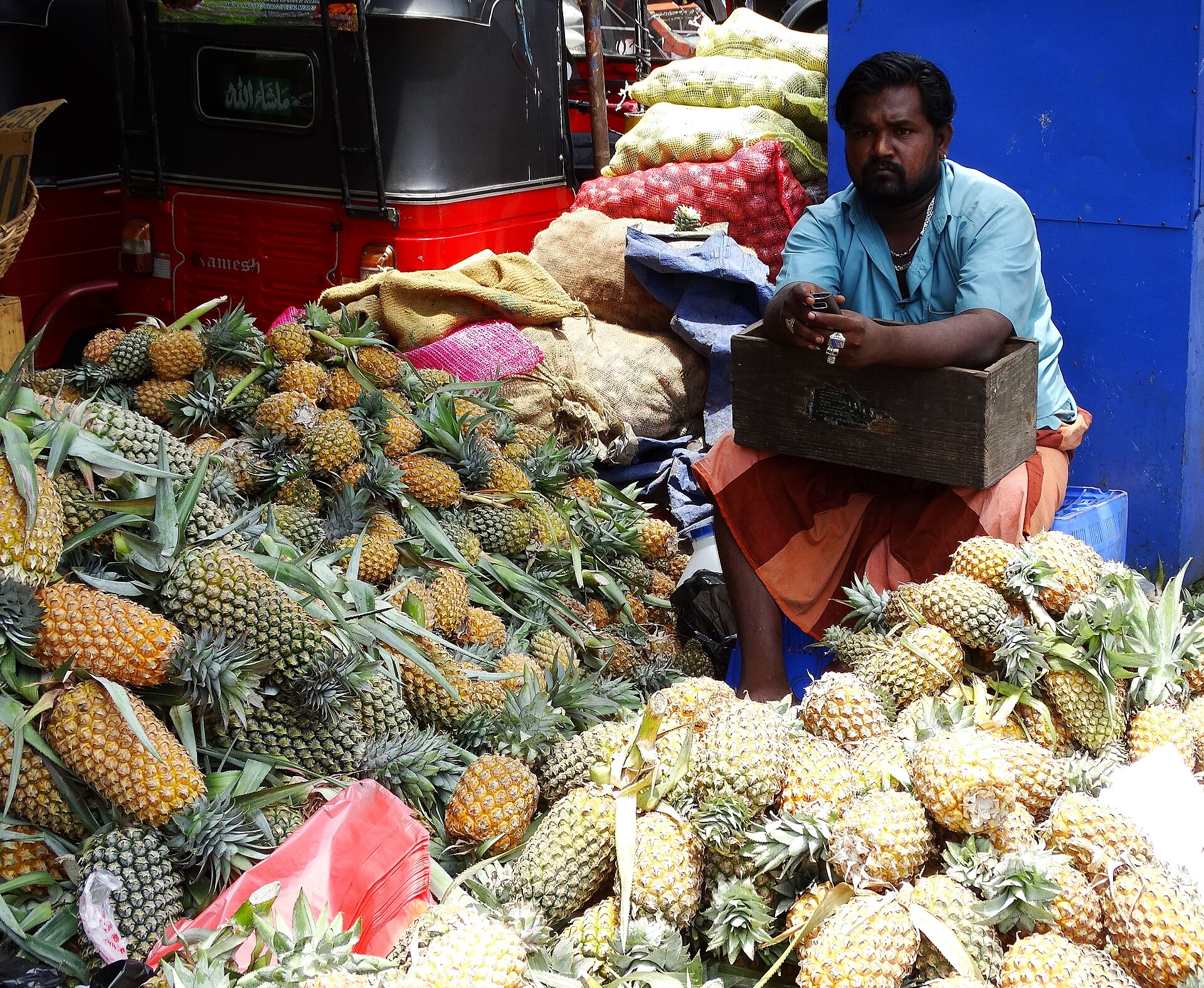
Sri Lanka's fruit and vegetable exporters have set themselves a target of $116 million in export earnings in 2027, and say they will need government support on freight, taxes and finance to get there.
The target was announced by the Lanka Fruit and Vegetable Producers, Processors and Exporters Association, which represents growers, processors and shippers of fresh and processed produce. Harsha Karunaratne, a member of its board of directors and its national coordinator, set out the goal and the industry's requests in an interview with the newspaper The Morning on 24 November.
He said the sector's contribution was part of the country's wider ambition to raise total export earnings — goods and services together — to $36 billion by 2030, from the national target of about $19 billion for this year.
Where Sri Lankan produce goes
Sri Lanka's fresh produce mostly goes to markets with large South Asian communities. The Gulf states are the biggest buyers, with Saudi Arabia the largest single market, Mr Karunaratne said. Exports also go to East Asia, Europe, North America and Oceania.
Bananas play the leading role among fresh fruit exports, he said. Pineapple has been a rising star: according to the association, pineapple exports almost doubled last year, from $0.83 million to $1.64 million. Sri Lanka also exports mangoes, papayas, king coconuts, passion fruit and a range of vegetables, leaves and herbs used in South Asian cooking.
The sector is small compared with the country's main exports — clothing, tea, rubber products and coconut products. According to the Export Development Board, fresh and processed fruit and vegetable exports earned about $59.5 million in 2020 and about $65.8 million in 2021. The board had set a target of $104 million for 2025. The industry's new goal of $116 million for 2027 would mean close to doubling the 2021 figure in six years.
What stands in the way
Mr Karunaratne listed a series of problems that he said were holding the industry back. Supply is inconsistent, because much of the produce comes from smallholders on fragmented plots of land, making it hard to guarantee the steady volumes and uniform quality that foreign supermarkets and importers demand.
Freight is expensive, especially air freight, which is needed for fresh produce with a short shelf life. And Sri Lanka lacks adequate treatment facilities — such as the vapour-heat and hot-water treatment plants that many importing countries require to kill fruit flies and other pests before produce can enter.
He also pointed to delays in obtaining approval to enter new markets, which can take years of negotiation between plant-protection authorities. Consignments are sometimes rejected abroad because of excessive pesticide residues, which damages the reputation of all Sri Lankan exporters, not only the one concerned. High borrowing costs and shortages of farm labour add to the expense.
Sri Lankan exporters, he said, face stiff competition from countries whose governments already provide the infrastructure the industry needs, such as cold chains, treatment plants and testing laboratories.
The industry's requests
The association has set out a list of concessions it wants from the government. They include a freight support scheme, or guaranteed cargo space for perishable goods on flights and ships; exemptions from the CESS levy, the Ports and Airports Development Levy and VAT on packaging materials, cold-room equipment, refrigerated containers and greenhouse materials; and a concessionary electricity tariff for packhouses and cold stores.
Exporters are also asking for concessionary working-capital loans, and for loan moratoriums for growers and exporters affected by disasters such as floods and drought. They want financial help with the cost of certification — including GlobalG.A.P., the international standard for good farming practice, and HACCP, the food safety system — and with laboratory testing.
Finally, the association wants fruit and vegetables recognised as a priority export sector, with more support from the Export Development Board for promotion in international markets.
What foreign buyers demand
The certification costs the association mentions are not a formality. GlobalG.A.P. is a private standard, widely required by supermarkets in Europe and increasingly elsewhere, that covers how a crop is grown: the use and recording of pesticides and fertiliser, water quality, worker safety and the traceability of each batch back to the farm. HACCP — Hazard Analysis and Critical Control Points — is a food-safety system for the packhouses and processors that handle produce after harvest.
Importing countries also set maximum residue limits for each pesticide on each crop, and test consignments at the border. A shipment that exceeds a limit can be destroyed or returned at the exporter's expense, and repeated failures can lead to stricter checks on everything from the same country. For a small exporting nation, a handful of rejections can close a market that took years to open.
Why it matters beyond the farm
The case for the sector rests on more than export earnings. Fruit and vegetable growing is labour-intensive and spread across rural districts, so growth in the industry tends to raise incomes in the places that need it most. Exports also encourage better farming practices, because foreign buyers insist on traceability, controlled pesticide use and proper post-harvest handling — standards that eventually benefit consumers at home too.
The difficulties are also well known. Post-harvest losses of fruit and vegetables in Sri Lanka are often estimated at around 30% of production or more, much of it lost to poor packaging, rough transport and the lack of cold storage. Reducing those losses would raise both farm incomes and the volumes available for export.
The government's 2027 Budget, presented earlier this month, sets out a broad push to raise exports, but whether it will extend the specific concessions the exporters are asking for remains to be seen. With the Budget now before Parliament, the association will be hoping its requests are taken up in the weeks of debate ahead.