Oil
Oil Falls to a Three-Month Low as Libya Restarts a Key Pipeline and Gulf Supply Recovers Oil Falls to a Three-Month Low Near $89
Brent crude dropped more than 3% to $89.37 a barrel, its lowest since the end of August, as more oil reached the market. Attacks on shipping and refineries continue, but traders are now more worried about a glut.

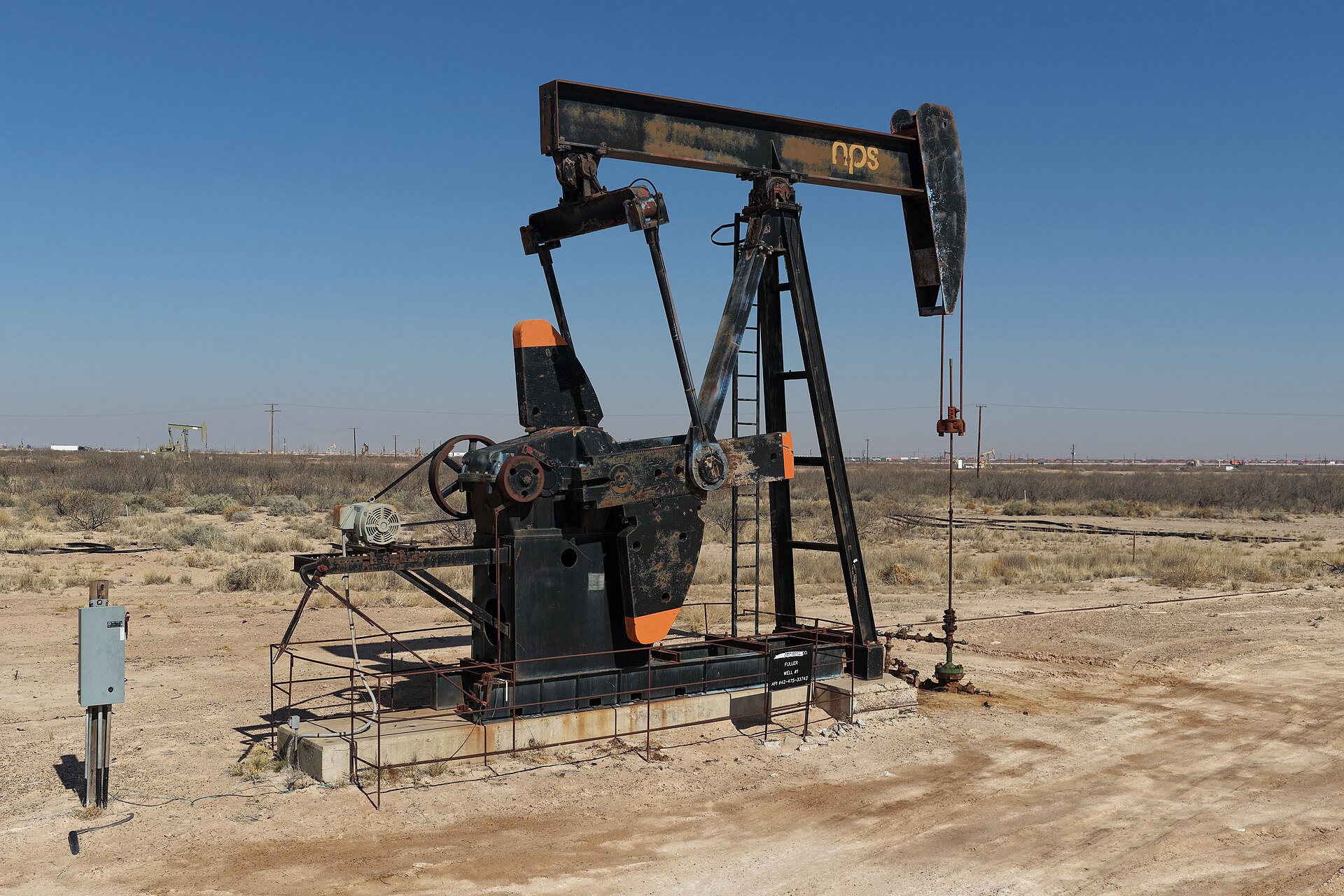
The price of oil has fallen to its lowest level in three months, as supplies from the Middle East pick up and a pipeline in Libya that had been shut down started flowing again.
Brent crude, the international benchmark that sets the price of most of the oil Sri Lanka imports, fell $3.20, or 3.46%, to settle at $89.37 a barrel on Monday 23 November. It was Brent's lowest closing price since 31 August. West Texas Intermediate, the American benchmark, fell $3.24, or 3.88%, to $80.17 — its lowest since 10 August. Prices were little changed on Tuesday, with Brent briefly trading just below $89.
A week ago, Brent was trading close to $92 after the International Energy Agency said recovering exports from the Gulf would push the world oil market into surplus. Monday's fall suggests traders now believe that forecast is coming true.
The slide has been steady. On 11 November, Brent was holding near $93 as attacks on tankers in and around the Strait of Hormuz continued; a week later it had slipped towards $92. Brent and WTI are both benchmarks for 'light, sweet' crude, which is easy to refine; Brent, drawn from fields in the North Sea, is the reference for about two-thirds of the oil traded around the world, including most of the crude bought by Asian refiners.
Libya's pipeline is flowing again
The immediate trigger was news from Libya. The country's National Oil Corporation said the Sharara pipeline had reopened and that crude was beginning to flow into storage tanks at the Akakus facility in Zawiya, on the Mediterranean coast.
Sharara is Libya's largest oilfield, in the south-west of the country. The pipeline that carries its oil to the coast had been closed after an armed group shut a valve, cutting output by an estimated 350,000 barrels a day. Shutdowns of this kind have been a recurring problem in Libya since 2011, as rival factions use control of oil installations as leverage in political disputes.
At the same time, production in the Gulf has been recovering from the disruption caused by the conflict involving Iran, while output from the Americas — led by the United States, Brazil and Guyana — continues to grow. Together, they have brought more oil to market than buyers currently need.
Banks see more falls ahead
JPMorgan expects oil futures to fall into the high $70s in the first half of 2027, citing a supply surplus driven by higher Middle East production outside Iran and more oil from the Americas. Deutsche Bank has pointed to a possible surplus of about 1.7 million barrels a day.
Bank of America took a more cautious view, saying geopolitics would remain the main driver of prices and that relatively low global stockpiles left much of the world exposed to any new interruption in supply. In the United States, crude and fuel inventories were expected to have risen by about 900,000 barrels in the week to 20 November, according to a preliminary poll of analysts.
The risks have not gone away
The fall came despite continued attacks on energy targets. Over the weekend, the Houthi movement in Yemen, which is aligned with Iran, said it had attacked an oil refinery in Saudi Arabia. The United Kingdom Maritime Trade Operations centre, which monitors shipping in the region, reported several attacks on vessels in the Gulf and near the Strait of Hormuz, the narrow channel through which about a fifth of the world's oil passes.
Bahrain said an Iranian attack had hit a civilian industrial site on Saturday, while Iran's Revolutionary Guards said they had launched missiles and drones at US military positions in the kingdom, which hosts the US Navy's Fifth Fleet. In Europe, Ukraine's military said it had struck a Lukoil refinery in Perm, in Russia, and a pumping station in Tatarstan.
In earlier months, such reports would have sent prices sharply higher. That the market fell instead shows how much the balance has shifted: traders are now more worried about having too much oil than too little.
Climate talks collapse
A separate development points the same way. At the COP31 climate conference in Turkey, talks collapsed on Sunday without an agreement — the first time since 2009 that the annual summit has ended without a deal. Delegations could not agree on whether to include a commitment to phase out fossil fuels. Saudi Arabia and other large producers argued that oil and gas would remain part of the world economy for the foreseeable future.
The failure removes, for now, a source of long-term pressure on producers to cut output. Pope Leo XIV publicly condemned the failure of the talks.
What Sri Lanka will watch
For Sri Lanka, which imports all of its oil, the fall is welcome. Fuel prices are revised every month by the Ceylon Petroleum Corporation, based on world prices and the exchange rate, and the increases of recent months have been the largest single cause of inflation. National inflation reached 8.5% in October, driven by transport costs.
The Central Bank said on 19 November that global energy prices had eased somewhat, but it still raised interest rates to stop earlier price increases spreading through the economy. If Brent stays below $90 into December, there will be room for the next monthly fuel revision to bring some relief at the pump — though a weaker rupee could offset part of the gain.
The next test comes on 29 November, when ministers from OPEC+, the group of producers led by Saudi Arabia and Russia, meet to decide their output policy for 2027. A decision to hold back supply could slow the fall in prices; a decision to keep pumping could speed it up.