Inflation
Sri Lanka’s National Inflation Rate Climbs to 8.5%, Its Highest in More Than Three Years National Inflation Climbs to 8.5%
Prices measured across the whole country rose 8.5% in the year to October, led by transport after fuel price increases. The figure lands days after the Central Bank raised interest rates, and the opposition is asking why prices are rising again.

Prices across Sri Lanka are rising at their fastest pace in more than three years, and the main reason this time is not food but the cost of getting around.
The National Consumer Price Index, which tracks what households pay for goods and services across all of the country's districts, rose 8.5% in the year to October, according to figures released by the Department of Census and Statistics on 23 November. That is up from 8.1% in September and is the highest reading since June 2023, when the country was still emerging from the worst of its economic crisis.
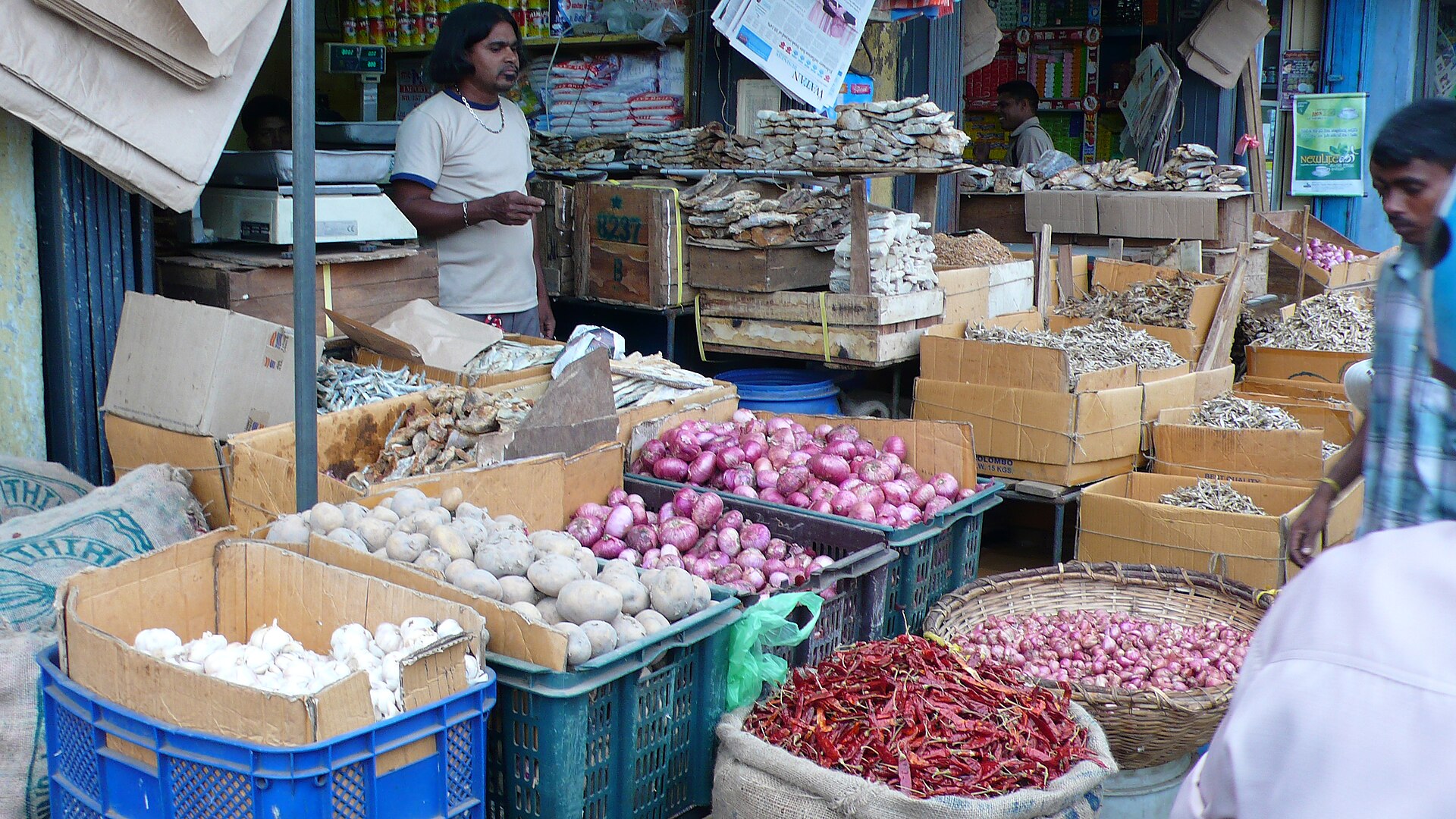
Food inflation rose to 7.2% in October from 6.9% the month before. Prices of everything else — transport, housing, education, restaurants and health care, grouped together as non-food — rose faster, by 9.5%, up from 9.1% in September. Transport was the largest single driver after fuel prices were increased.
Two measures, one direction
Sri Lanka publishes two main measures of inflation, and they are worth telling apart. The Colombo Consumer Price Index (CCPI) covers households in the Colombo district and is published at the end of each month; it is the measure the Central Bank uses for its 5% inflation target. The broader National Consumer Price Index (NCPI) covers the whole island and is released about three weeks later.
For October, the Colombo measure showed inflation of 8.3%, up from 8.0% in September. The national figure of 8.5% confirms that the pressure is not confined to the capital: households in the provinces, where transport costs weigh more heavily in the monthly budget, are feeling it at least as much.
Both measures were close to zero, and at times below it, for much of 2025, after the sharp fall in prices that followed the 2022 crisis. The climb back to 8% and beyond has come in a little over a year.
Why prices are rising
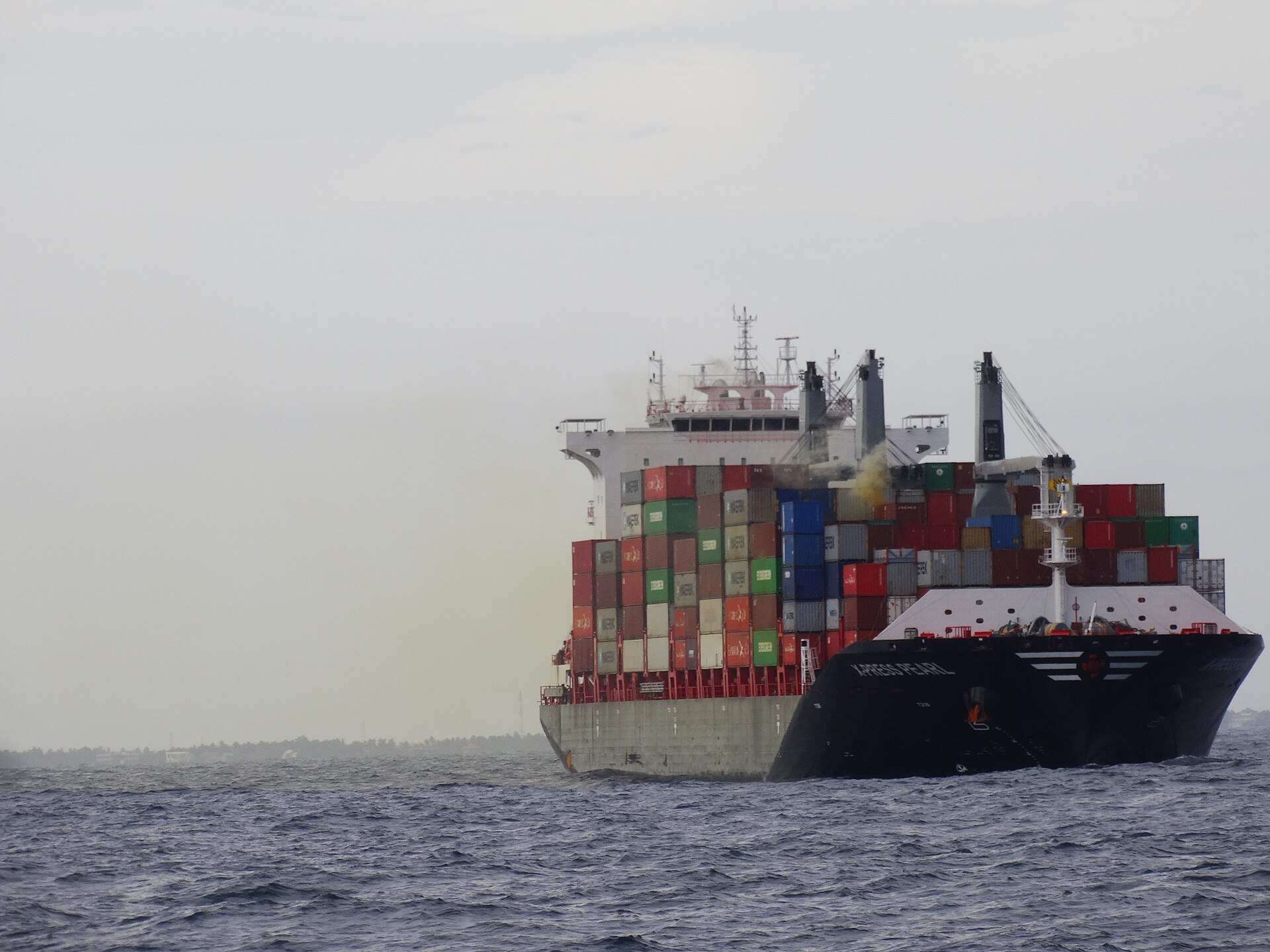
The single biggest cause is energy. The conflict in the Middle East pushed world oil prices sharply higher this year, and Sri Lanka imports all of the crude oil and refined fuel it uses. The state-owned Ceylon Petroleum Corporation passes changes in world prices through to pump prices in monthly revisions, and the increases have flowed into bus fares, three-wheeler fares, the price of goods carried by lorry and, eventually, the cost of almost everything else.
The Central Bank said after its Monetary Policy Board meeting on 19 November that elevated energy prices, together with rising food prices, had continued to fuel inflation, and that core inflation — which strips out the most volatile items — had also risen, reflecting what economists call second-round effects, as businesses pass higher fuel and transport costs into their own prices.
The bank noted that world energy prices had eased somewhat in recent weeks. Brent crude, the international benchmark, fell to a three-month low of about $89 a barrel on 23 November. But it warned that earlier increases would keep pushing prices up in the near term, and that inflation could stay higher for longer than it had previously projected before returning to the 5% target in the second half of 2027.
The Central Bank's response
To head that off, the bank raised its Overnight Policy Rate by a quarter of a percentage point to 9.00%. It also raised the Statutory Reserve Requirement — the share of deposits that commercial banks must keep with the Central Bank — by one percentage point to 3.00%, with effect from the reserve period beginning on 9 December.
The second step is aimed at a side effect of the bank's own success in rebuilding the country's foreign reserves. Gross official reserves reached about $7.1 billion at the end of October, helped by the Central Bank's purchases of dollars in the domestic market. But each purchase releases rupees into the banking system, and the extra money makes it easier for banks to keep lending. Raising the reserve requirement soaks up part of that cash.
The bank also said that inflation expectations for the year ahead had risen recently, although longer-term expectations remained close to the 5% target. Keeping those expectations anchored — so that workers and businesses do not start to assume high inflation and set wages and prices accordingly — was the main reason for tightening further, it said.
Political pushback
The opposition has seized on the numbers. Ravi Karunanayake, a former Minister of Finance, questioned why inflation had risen to 8.5% under a government that says it is running a disciplined budget, noting that earlier administrations had been blamed for price rises caused by heavy borrowing and money printing. He also questioned the Central Bank's independence.
Mr Karunanayake also criticised the level of interest rates, saying that borrowing costs of 15% to 16% were putting pressure on businesses, especially small and medium-sized enterprises. Prolonged high rates, he warned, could hold back economic activity, weaken the competitiveness of Sri Lankan firms and slow growth.
The government's position is that today's inflation is largely imported: it comes through the price of oil and other commodities set on world markets, not through excessive domestic spending. The Central Bank, for its part, says its decisions are made by its independent Monetary Policy Board under the Central Bank Act of 2023, which made price stability its primary objective.
What it means for households
For families, inflation of 8.5% means that a monthly shopping basket that cost Rs 100,000 a year ago now costs about Rs 108,500. Wages in much of the private sector, and pensions and social payments, have not kept pace, so real incomes are being squeezed again after two years of relative calm.
Higher interest rates add to the pressure on borrowers, including households with leasing payments and pawned gold, while offering better returns to savers holding fixed deposits. The Central Bank has said that market interest rates had already adjusted materially to its earlier tightening in May, and that the growth of credit to the private sector had continued to slow.
The coming months will turn on two things largely outside Sri Lanka's control: the path of world oil prices, and whether the conflict in the Middle East eases. The next Colombo inflation figure, for November, is due at the end of this month; the national figure follows in the third week of December.