Tax
The Tax Net Is Wider, but by How Much Nobody Can Say, the President’s Economic Adviser Admits Tax Net Wider, but by How Much Is Unclear
Duminda Hulangamuwa says new checks on property, vehicle and bank transactions are bringing more people into the system, but individual compliance is hard to measure. The admission comes as Budget 2027 raises the tax-free allowance.

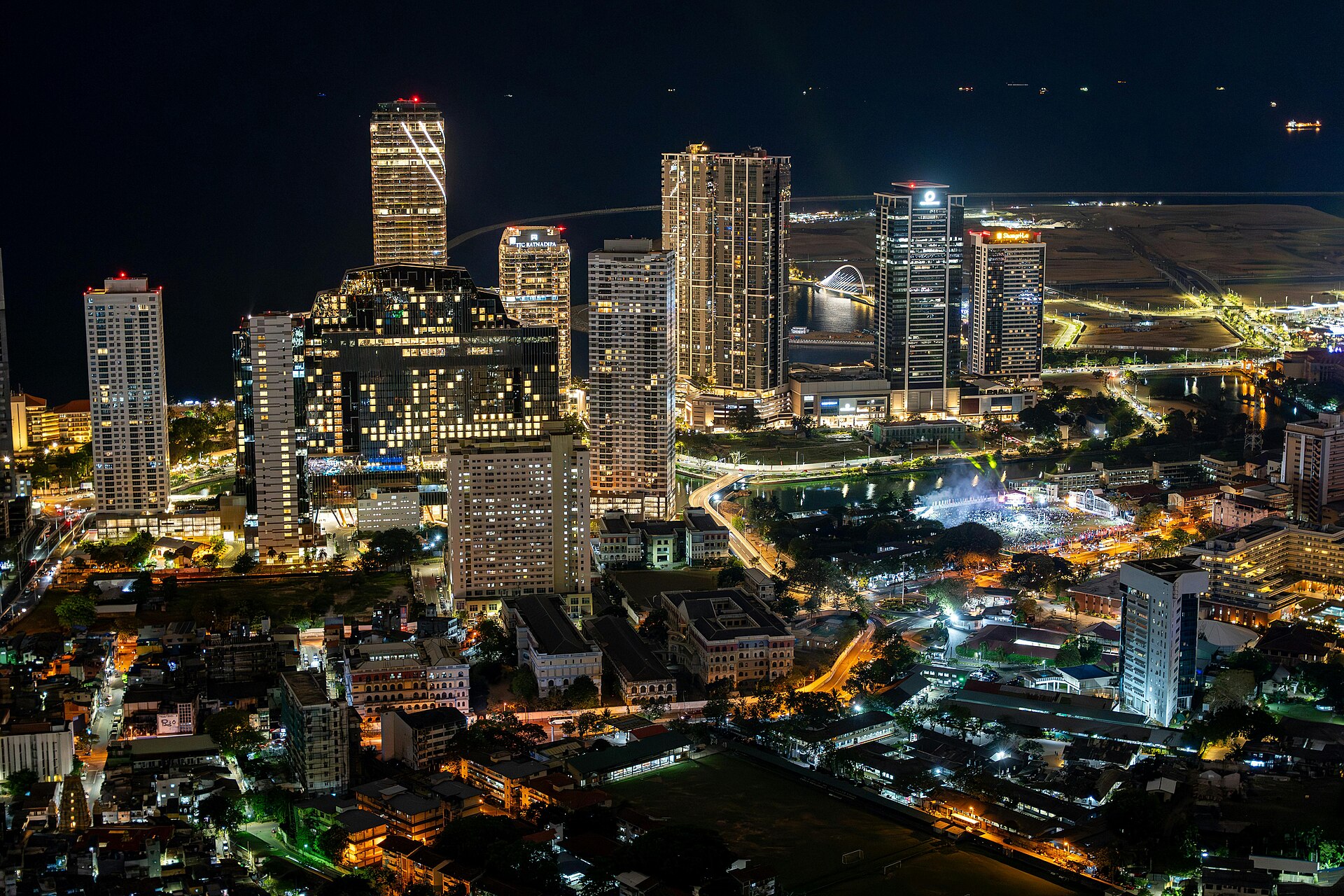
Sri Lanka's government says it has brought more people into the tax system, but one of the President's senior advisers has acknowledged that it cannot yet say how many — or how much more revenue the effort will bring in.
Duminda Hulangamuwa, Senior Economic Advisor to President Anura Kumara Dissanayake, said in a television interview with Ada Derana on 23 November that widening the tax base remained a priority, and that the Inland Revenue Department was now looking at transactions that reveal how money moves through the economy: the purchase of a vehicle or a house, or dealings with a bank. Such checks had been criticised, he said, but they were essential if more people were to pay what they owe.
Yet he declined to put a number on the result. Companies, he pointed out, must keep records and file documents showing what they owe, so their compliance can be checked. For individual taxpayers there is no comparable mechanism to confirm that they have paid in full, so the outcome of the drive could not be predicted with confidence. He said the government could not say whether the effort would lift revenue by even 1% of gross domestic product.
Why the tax base matters
Sri Lanka has long collected less in tax, relative to the size of its economy, than most countries at its level of income. After the deep tax cuts of 2019, government revenue fell to around 8% of GDP, one of the lowest ratios in the world, leaving the state unable to cover its costs. The collapse in revenue was one of the main causes of the economic crisis that year, when the country defaulted on its foreign debt.
Under its programme with the International Monetary Fund, Sri Lanka committed to raising revenue to around 15% of GDP. That was achieved largely by raising rates — on income tax, VAT and other levies — rather than by bringing in new taxpayers. The result is a system in which a relatively small group of salaried workers and registered businesses carries much of the burden.
Mr Hulangamuwa said the government had already reached its target of revenue equal to 15% of GDP, and that the next step was to spread the load more widely. That is a message both the IMF and many local economists have pressed for: a broader base would allow rates to come down over time without endangering the public finances.
The few who pay
His remarks also underlined how narrow the base remains. Around 80% of income earners take home less than Rs 150,000 a month, he said, which is below the current threshold for income tax. Only about 20% earn more. Even if the tax net were broadened, he said, it was not possible to say whether the number of people within it would rise by 20% or 30%.
He described three main ways in which people earn their income: salaries, which are taxed at source through the pay-as-you-earn system; interest on savings, from which tax is withheld by banks; and dividends from shares. The first two are easy to capture. The difficulty lies with income that does not pass through these channels — from professional services, trading, rent and the large informal economy.
What the end of SVAT shows
Mr Hulangamuwa pointed to one measure that he said had clearly worked: the abolition of the Simplified Value Added Tax (SVAT) scheme. Under SVAT, exporters and their suppliers could use vouchers instead of paying VAT and then claiming it back, a system that critics said was open to abuse. Since it was removed, he said, the Secretary to the Treasury had told him that VAT revenue had risen by between Rs 10 billion and Rs 20 billion.
Exporters had argued that ending SVAT deprived them of a simple way to avoid tying up cash in tax refunds. Mr Hulangamuwa acknowledged the criticism that the scheme had also allowed some tax avoidance, and said that with its removal, VAT income had increased.
“I think that the tax net has broadened.”
Budget 2027 gives relief at the bottom
The interview came less than two weeks after President Dissanayake, who is also Minister of Finance, presented the Budget for 2027. Among its main proposals is an increase in the personal income tax-free allowance from Rs 1.8 million a year to Rs 1.95 million — from Rs 150,000 to Rs 162,500 a month.
The Budget also proposes widening the tax bands and introducing a new 12% rate after the first 6% band, so that income moves more gradually through rates of 6%, 12%, 18%, 24%, 30% and 36%. The top rate of 36% would apply to annual income above Rs 5.2 million, up from Rs 4.3 million. Subject to Parliament's approval, the changes would take effect on 1 April 2027.
The government has estimated that the income tax revisions will cost about Rs 16 billion in revenue. Together with the removal of some cesses and VAT exemptions in the same Budget, the total cost of the tax relief has been put at close to Rs 30 billion.
The tension in the plan
The two goals pull in different directions. Raising the tax-free threshold will take some lower-paid workers out of the tax net altogether, even as the Inland Revenue Department tries to bring others in. The government's bet is that better enforcement — matching tax returns against records of property sales, vehicle registrations and bank deposits — will more than make up for the relief.
The department is also working to fix technical problems with RAMIS, its online system for filing and paying taxes. Without reliable data systems, linking transactions to taxpayers is difficult, which goes some way to explaining Mr Hulangamuwa's caution about putting numbers on the outcome.
For now, the message from the President's office is a modest one: the net is wider, revenue is higher, and the government will keep pressing. How much further the base can be stretched — and whether it will be enough to let rates fall — will become clearer as the 2027 revenue figures arrive.