Travel
Visitors Can Fly to Sri Lanka Without an ETA While the Online System Is Down Sri Lanka Lifts Prior-ETA Rule as Portal Goes Down
With the Electronic Travel Authorisation website offline for maintenance, airlines may board most passengers without prior approval. Visitors will be given an ETA or visa on arrival, at the start of the busiest months of the tourist season.

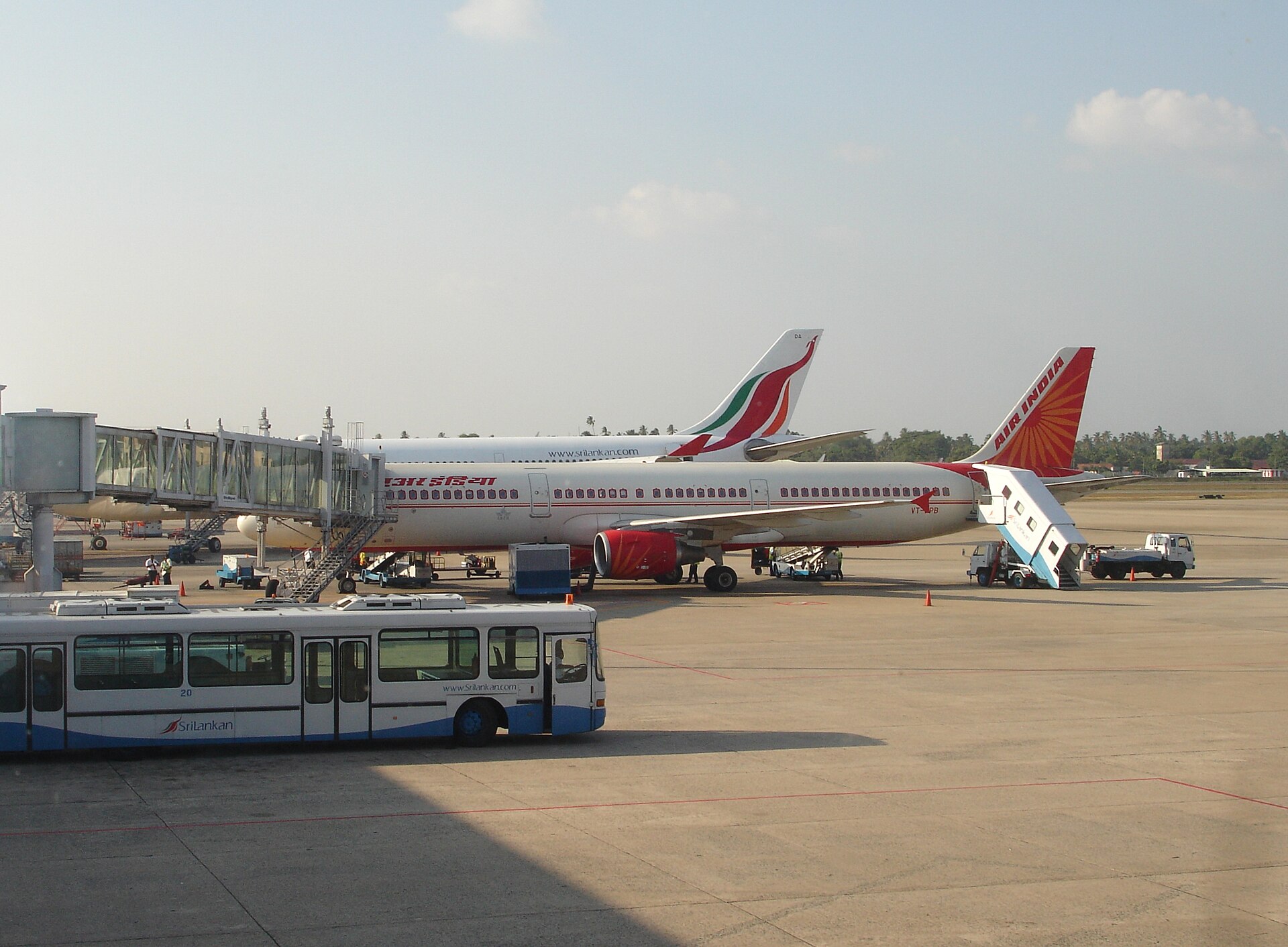
Travellers heading to Sri Lanka can board their flights without first obtaining an Electronic Travel Authorisation, after the website used to issue the permits went offline for maintenance.
The Department of Immigration and Emigration said in a circular dated 23 November that the ETA website was temporarily unavailable. Until further notice, passengers of most nationalities are allowed to board flights to Sri Lanka without prior approval, and will be given an ETA or a visit visa when they arrive at Bandaranaike International Airport or another port of entry.
The concession does not apply to everyone. Nationals of Pakistan, Cameroon, Nigeria, Côte d'Ivoire, Ghana, Afghanistan and Syria are excluded and must continue to follow the usual procedures for their countries before travelling.
What travellers need to know
The department stressed that the change is a matter of timing rather than a waiver. Everyone arriving will still go through the usual immigration examination, and all the normal visa and ETA requirements apply on arrival. Permission to enter Sri Lanka remains at the discretion of immigration officers.
In practice, that means visitors should carry what they would normally need to show: a passport valid for at least six months, a return or onward ticket, details of where they will stay and enough money for their visit. Airlines, which must fly home any passenger who is refused entry, have been told by Sri Lankan missions abroad that eligible passengers may be accepted for travel.
The department has not said when the online system will be restored. It said it would inform travellers once the ETA website was working again and normal procedures had resumed. Travellers who already hold an approved ETA do not need to do anything further.
Why the ETA matters
Sri Lanka has required most foreign visitors to obtain an Electronic Travel Authorisation before travelling since 2012. The online permit replaced the old system of visas stamped on arrival, and is meant to let immigration officers check travellers before they board, while speeding up queues at the airport.
The system has had a turbulent few years. In 2024 the government's decision to hand the issuing of visas to a private consortium led to a sharp rise in fees, long delays and a legal challenge. The Supreme Court suspended the arrangement, and the government returned the system to the Department of Immigration and Emigration. Visa fees and procedures have been revised several times since, including the introduction of free tourist ETAs for visitors from a group of countries.
Any disruption to the process is watched closely by the tourism industry, because problems at the visa stage can stop travellers from booking at all.
How the system normally works
In normal times, visitors apply online through the official ETA website, giving passport details, travel dates and an address in Sri Lanka, and usually receive approval by email within a short time. Tourist approval normally allows a stay of 30 days, which can be extended in Sri Lanka through the Department of Immigration and Emigration. Business visitors and transit passengers have their own categories.
Travellers who are eligible but could not apply in advance have long been able to obtain a permit at counters in the arrivals hall at Katunayake. The temporary arrangement makes that the standard route for most visitors until the website returns. Visitors should be ready to pay any applicable fee on arrival.
At the start of the high season
The timing is sensitive. November marks the start of Sri Lanka's main tourist season, when visitors from Europe come for the dry weather on the west and south coasts, and arrivals from India — the largest single market — remain strong throughout the year.
According to the Sri Lanka Tourism Development Authority, 102,469 international tourists arrived in the first half of November, bringing the total for the year so far to 1,964,773. October was the busiest October on record, with 168,625 arrivals. With the busiest weeks of the season still ahead, a smooth arrival process matters more than usual.
For now, the arrangement may make the trip easier for some visitors, who can avoid applying online in advance. But it also moves the work to the airport. Visitors would be wise to allow extra time on arrival in case of queues at the immigration counters, particularly when several long-haul flights land at Katunayake close together.
For excluded nationalities
Citizens of the seven countries excluded from the concession continue to face the requirements that applied before the website went offline. Under guidance in force earlier this year, applicants from these countries need a sponsor in Sri Lanka and must apply through the Department of Immigration and Emigration's head office in Battaramulla. Travellers from these countries are advised to check with the nearest Sri Lankan embassy or high commission before travelling.
Sri Lankan citizens, including dual citizens travelling on a Sri Lankan passport, are not affected by the change.
What happens next
Once the website is back, the department is expected to restore the requirement for prior approval, giving notice through its website and Sri Lanka's missions abroad. Visitors booking for December and January should check the department's official site, www.immigration.gov.lk, shortly before they travel to see which rules apply on their date of departure.
The department has not explained the cause of the outage beyond describing it as system maintenance. The episode is likely to renew questions about the reliability of the country's visa systems, at a time when tourism has become one of the largest sources of the foreign currency that Sri Lanka needs to rebuild its reserves and repay its debts.